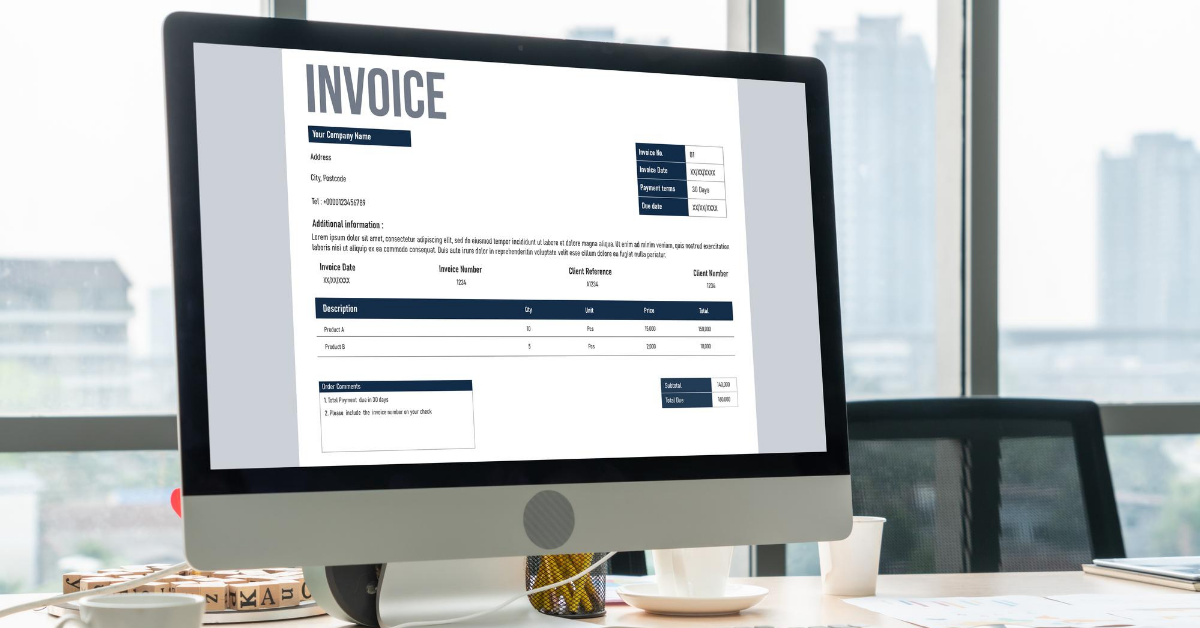
A billing invoice is important for financial document purpose. Businesses need it to request payment for goods and services as it provides information related to the transaction, such as invoice number and dates, payment terms and amount due, etc. A poorly structured one can delay payments, create reconciliation issues and back-and-forth approval delays for AP and finance teams.
With a well-structured invoice with clear and consistent critical details, businesses and vendors can ensure a smooth, transparent financial transaction. In this blog, we will check out the 10 free billing invoice templates you can use for various business needs.
Table of Contents
10 Free Billing Invoice Templates (2026)
Here are 10 free billing invoice templates you can use across different industries and use cases.
1. Retail
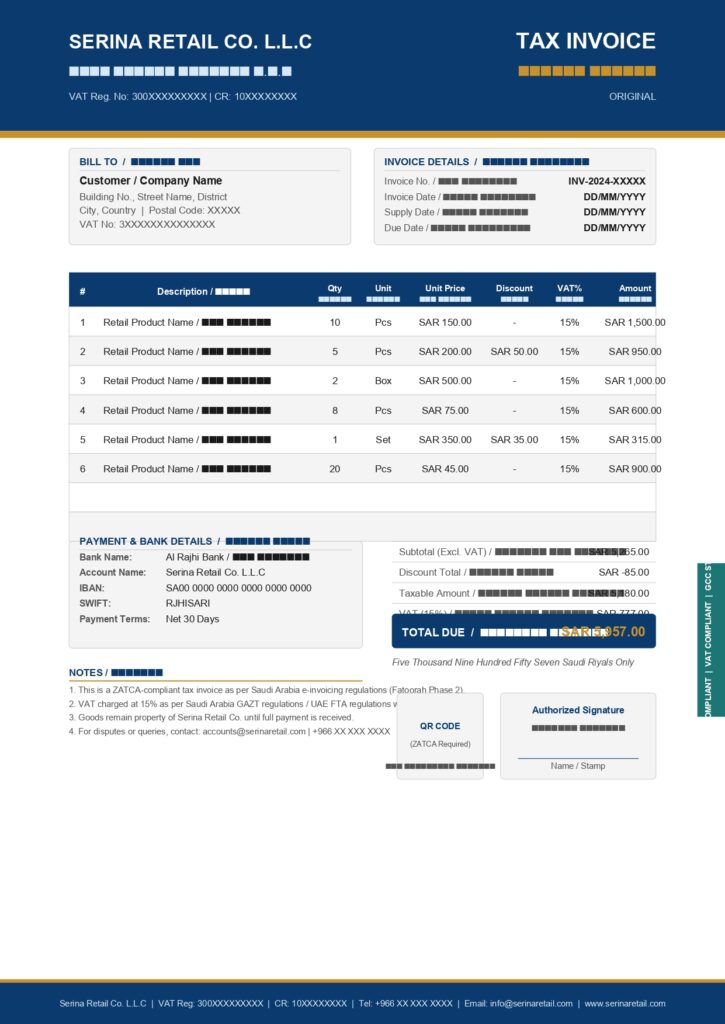
Download and customize this invoice template
2. Hospitality
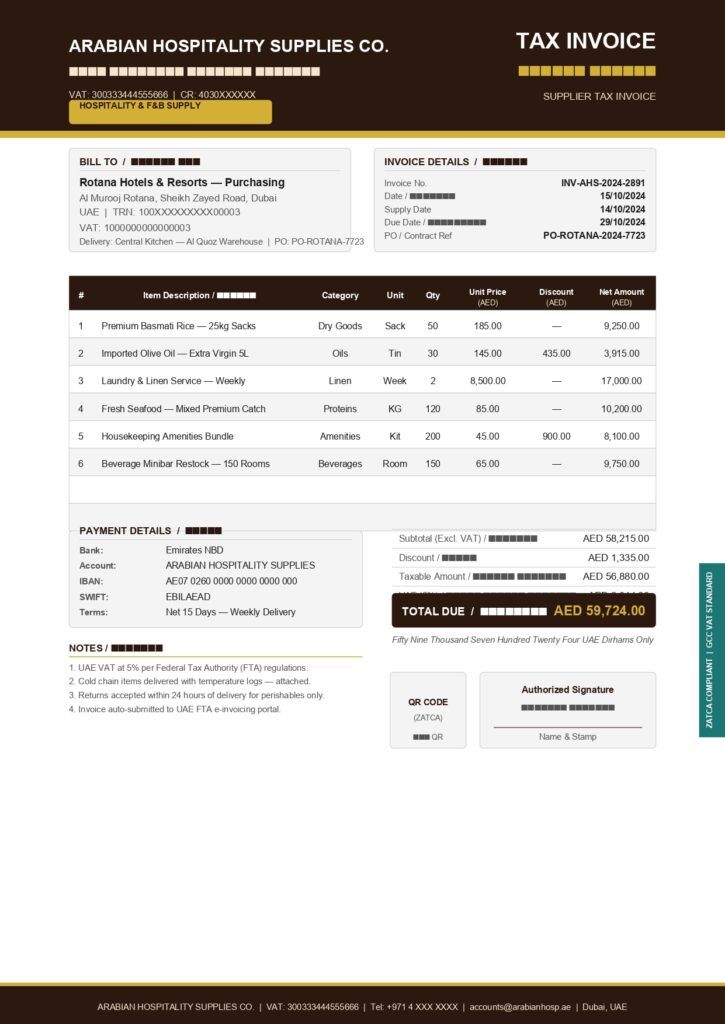
Download and customize this invoice template
3. Hospitality – hotel industry
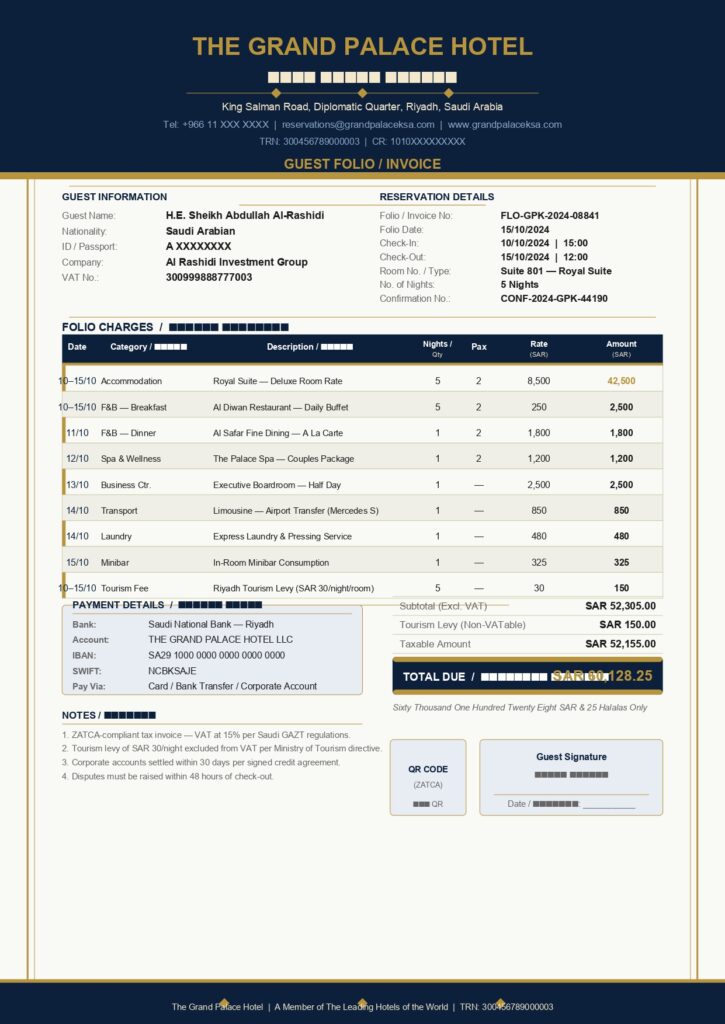
Download and customize this invoice template
4. Healthcare
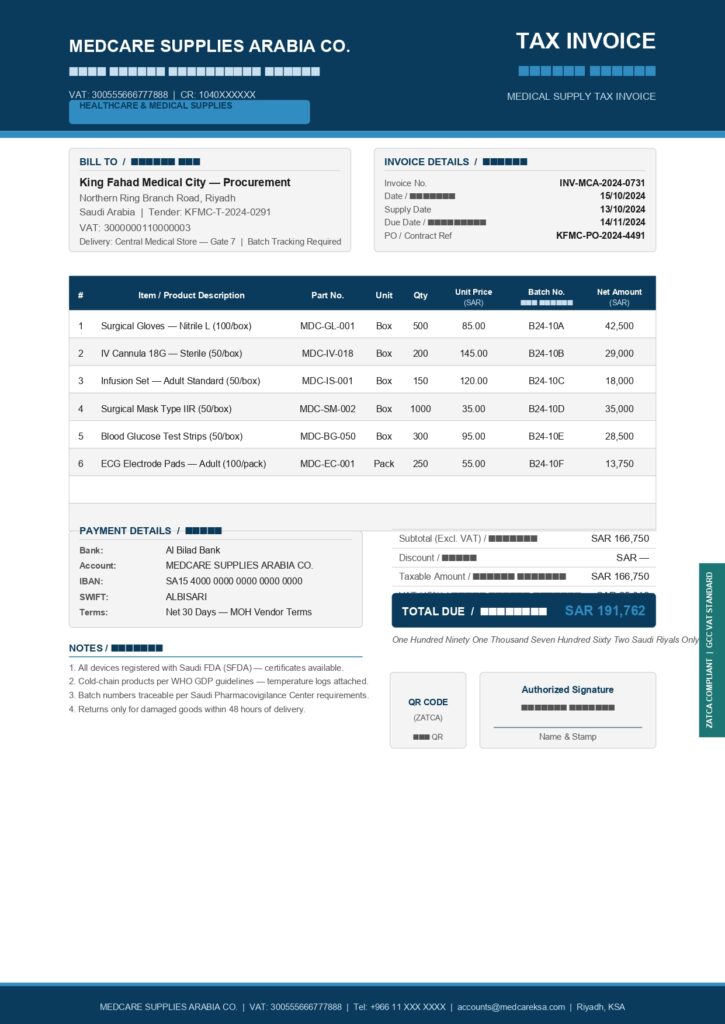
Download and customize this invoice template
5. Manufacturing
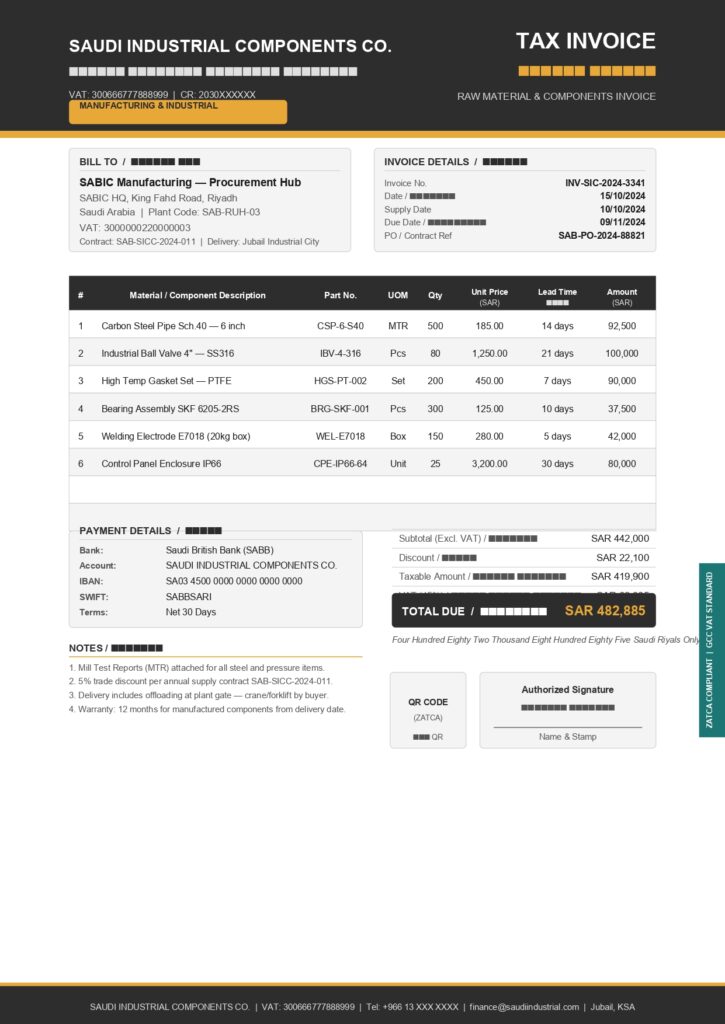
Download and customize this invoice template
6. FMCG
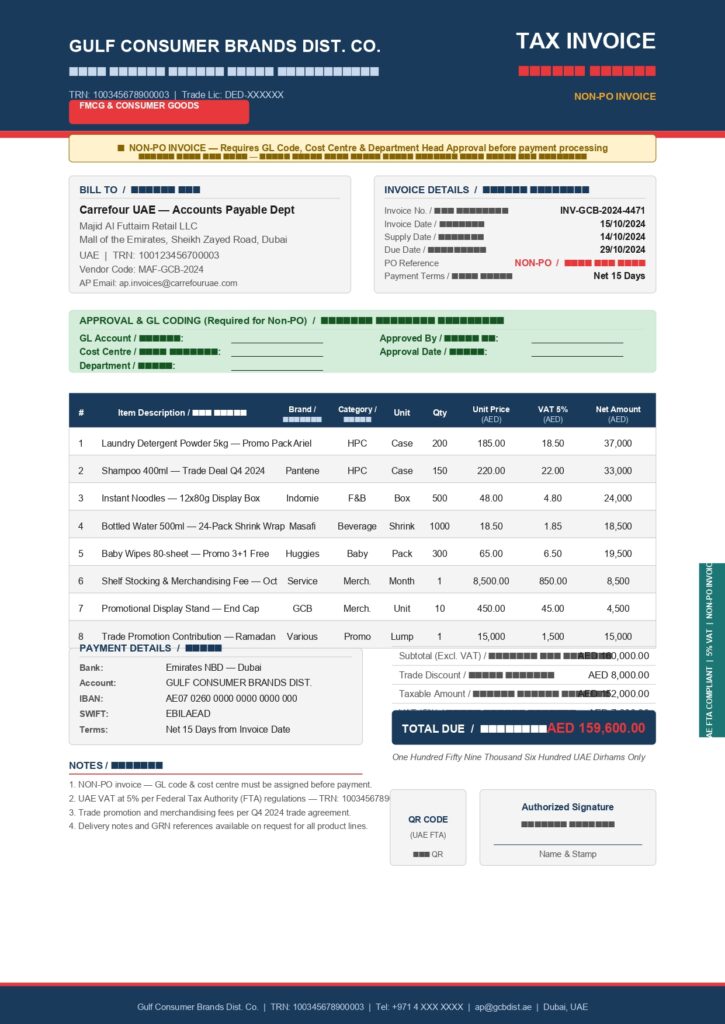
Download and customize this invoice template
7. Oil & Gas
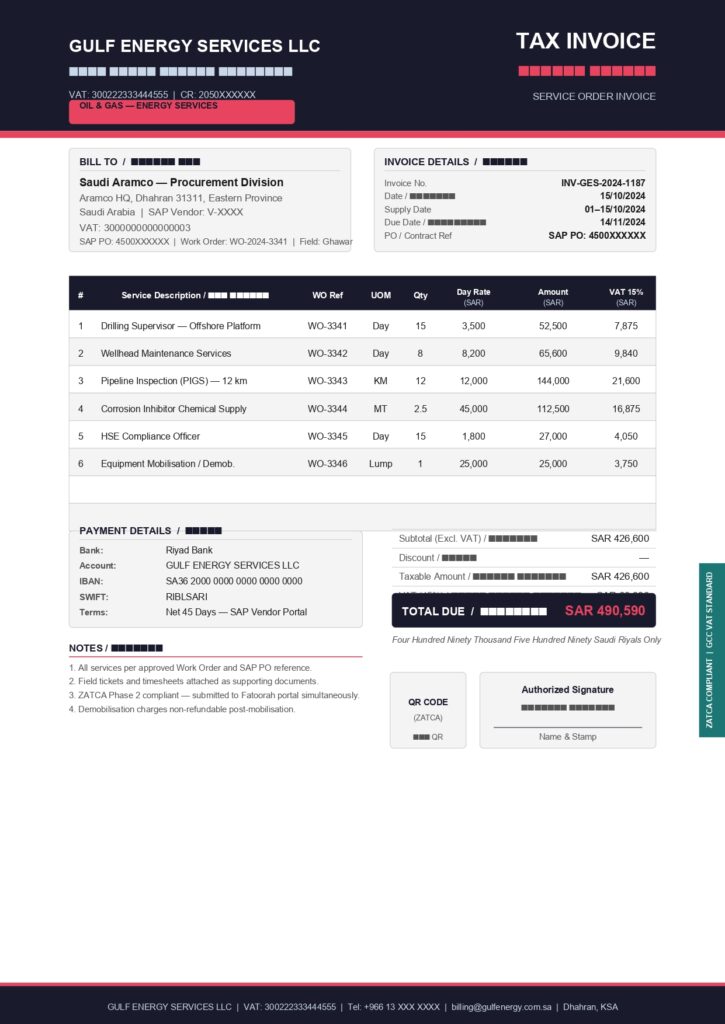
Download and customize this invoice template
8. Trading
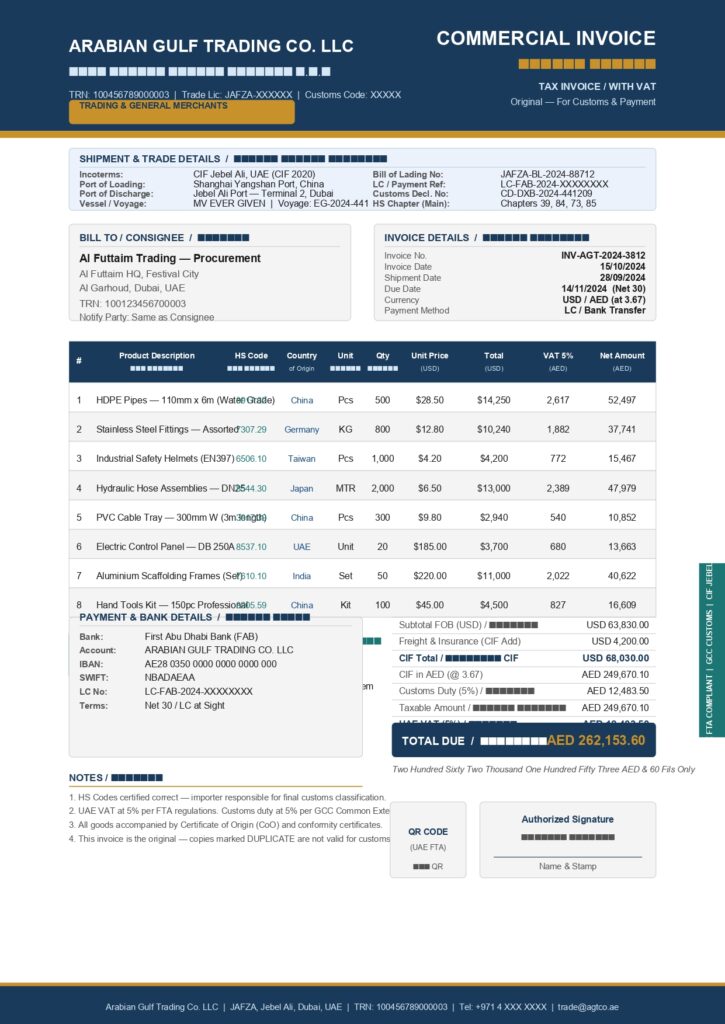
Download and customize this invoice template
9. Real Estate
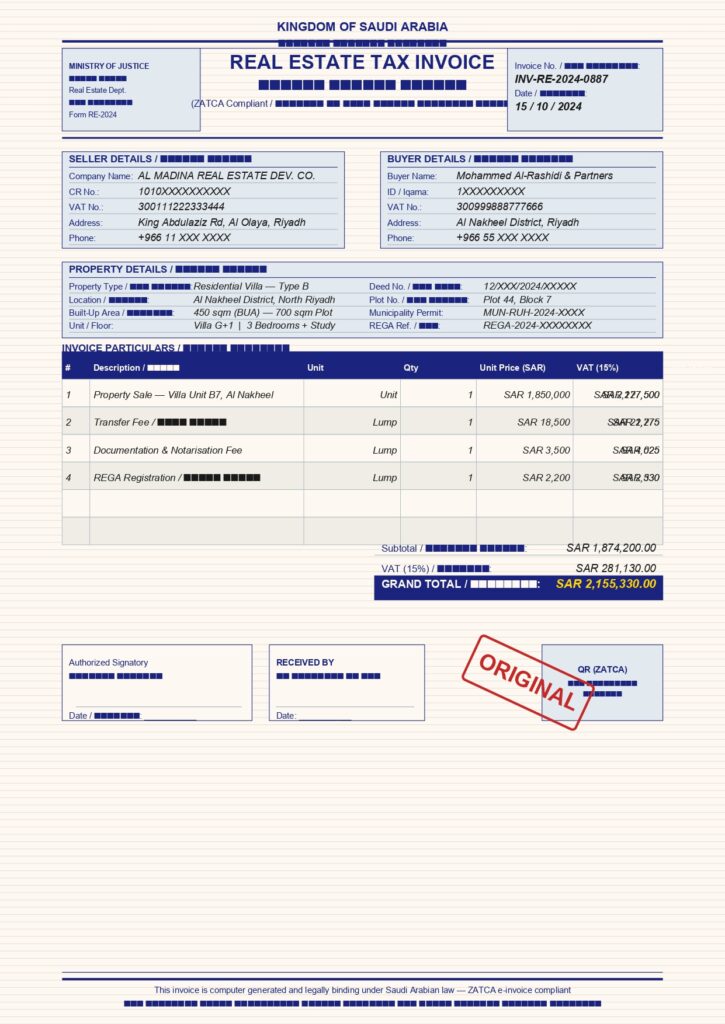
Download and customize this invoice template
10. Automotive
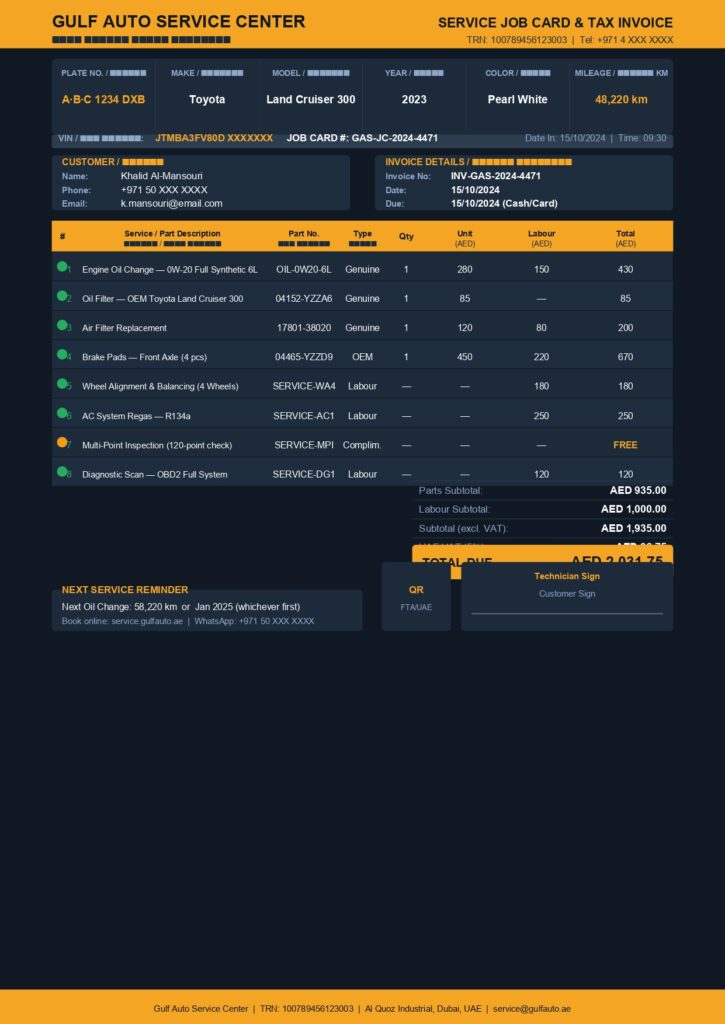
Download and customize this invoice template
Looking to Automate Invoice Processing?
Creating professional invoices is only one part of the process. Managing invoice approvals, validations, matching and payments manually can still create delays and operational overhead.
Serina helps finance teams automate invoice processing with AI-powered data extraction, PO-GRN matching, approval workflows and exception handling.
Want to see it in action? Watch the Serina product demo video to explore how AI simplifies end-to-end accounts payable operations.
Conclusion
A well-designed billing invoice does more than request payment. It helps businesses improve cash flow visibility, reduce reconciliation issues and create a smoother payment experience for customers and vendors alike.
Whether organizations operate as retailers, manufacturers, SaaS providers or enterprise finance teams, choosing the right billing invoice template can improve operational efficiency and reduce payment delays.
The billing invoice examples and free templates shared in this blog can help businesses standardize invoicing processes, maintain compliance and create professional billing workflows tailored to their operational requirements.
FAQs
- How to write a billing invoice?
To write a billing invoice, include your business details, customer information, invoice number, invoice date, itemized products or services, quantity, price, taxes, payment terms and total amount due. Make sure all information is accurate and clearly presented to avoid payment delays.
- What is an invoice for billing?
A billing invoice is a financial document issued by a vendor to request payment from a customer for products delivered or services provided. It outlines transaction details, payment terms and the amount due.
- What are billing details for an invoice?
Billing details typically include the customer’s name, billing address, contact information, invoice number, invoice date, payment terms, product or service descriptions, taxes and the total amount payable.
- What is the billing and invoice process?
The billing and invoice process involves generating an invoice, sending it to the customer, obtaining approvals if required, tracking payment status, receiving payment and reconciling the transaction within accounting systems.
- What are the three types of billing?
The three common types of billing are:
- Fixed-price billing – A predetermined amount is charged for a product or service.
- Time and materials billing – Charges are based on hours worked and materials used.
- Recurring billing – Customers are billed automatically at regular intervals, such as monthly or annually.
- What are the 7 steps in the accounting process?
The seven steps in the accounting process are:
- Identify financial transactions
- Record transactions in journal entries
- Post entries to the general ledger
- Prepare an unadjusted trial balance
- Make adjusting entries
- Prepare financial statements
- Close temporary accounts and finalize the accounting period
These steps help businesses maintain accurate financial records and reporting.